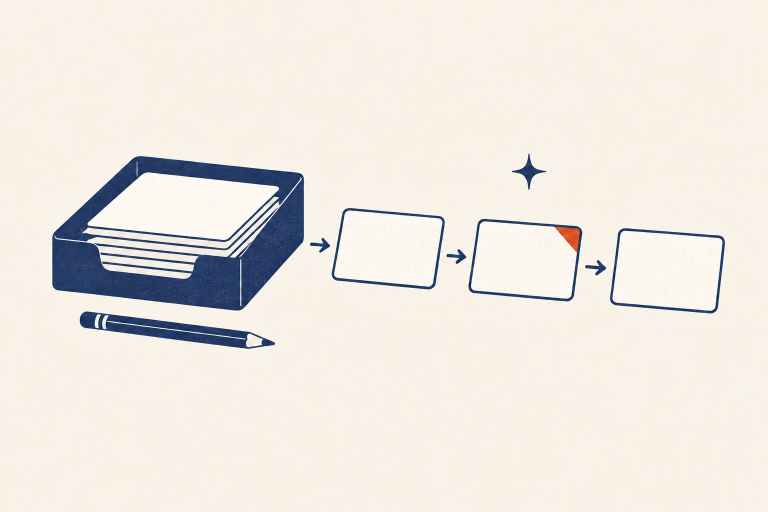
 A Personal Task Management System You Can Trust
A tool-neutral workflow for getting commitments out of your head, turning them into clear actions, and keeping the list honest.
Read the field guide →Systems Handbook · Operating area
Repeatable sequences that make triggers, decisions, completion, and return paths visible.
A Personal Task Management System You Can Trust
A tool-neutral workflow for getting commitments out of your head, turning them into clear actions, and keeping the list honest.
Read the field guide → A Weekly Planning System for Clearer, More Realistic Weeks
A review-to-plan sequence that measures real capacity before choosing outcomes, protects useful buffer, and prepares a clear starting action.
Read the field guide →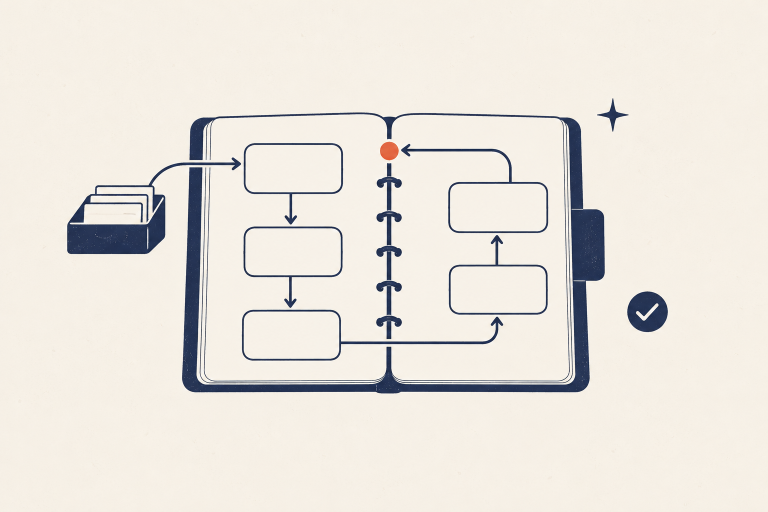 The Personal Operating System: A Practical Guide to Running Daily Life
A humane operating model for capturing commitments, making decisions, taking action, reviewing the system, and returning after disruption.
Read the field guide →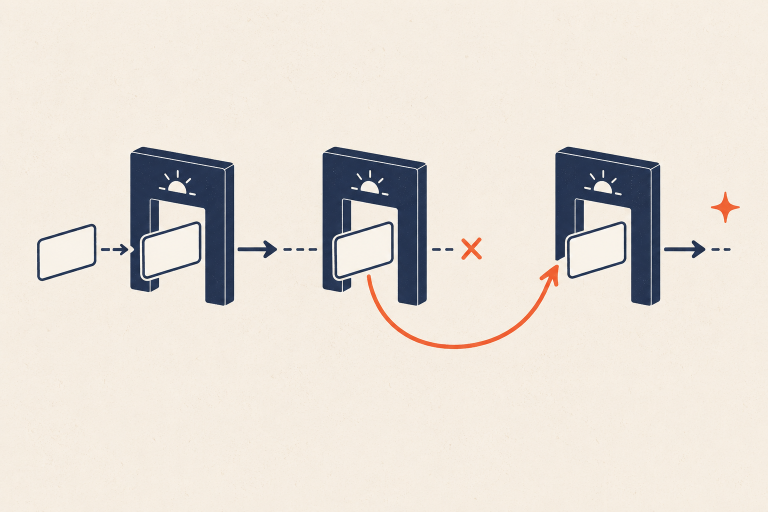 How Habits Form: Build One Repeatable Behavior in Context
A practical, evidence-aware method for making one useful behavior easier to repeat—with a stable cue, less friction, simple tracking, and a route back after a lapse.
Read the field guide →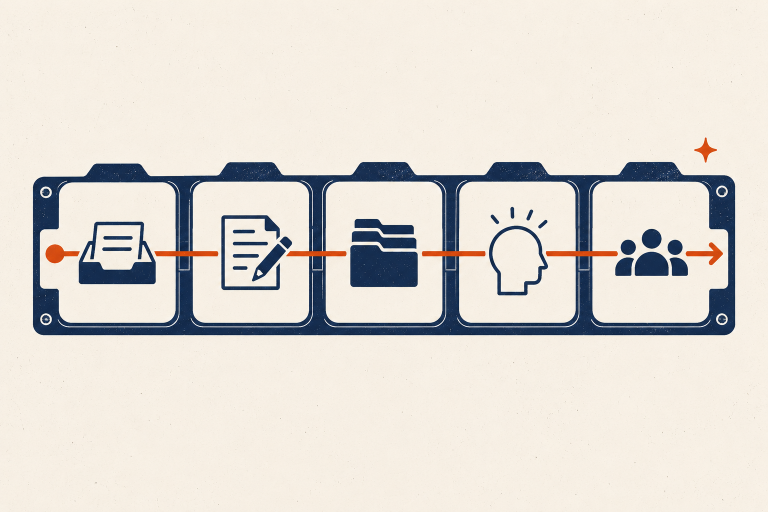 Getting Things Done for Beginners: A Minimum GTD Setup You Can Maintain
A minimum Getting Things Done setup that explains the five official stages, clarifies real inputs, and includes a recovery procedure for stale lists.
Read the field guide →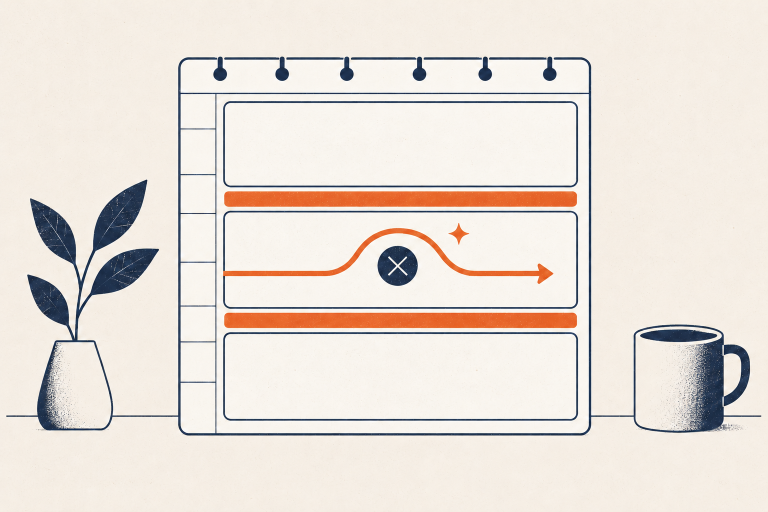 How to Time Block a Realistic Day—and Replan When It Changes
A first-day time-blocking method that starts with real capacity, protects transitions and buffer, and treats replanning as part of the system.
Read the field guide →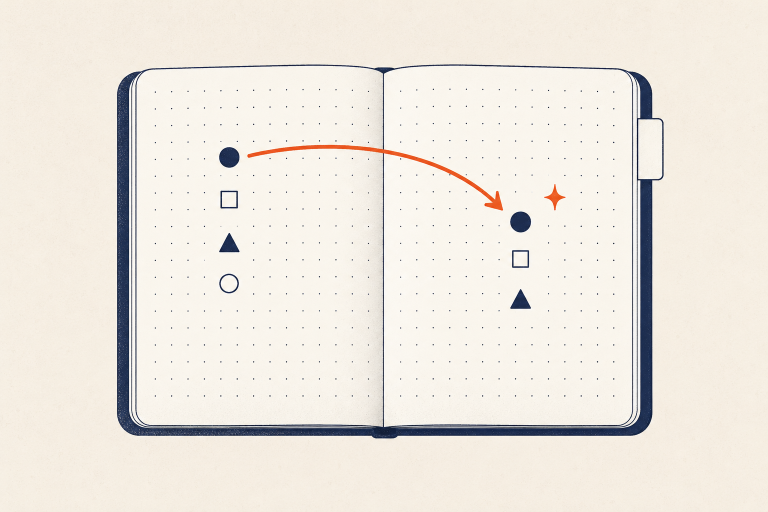 Start a Minimal Bullet Journal for Tasks and Planning
A one-notebook Bullet Journal trial using the official core components, concise rapid logging, and migration as a maintenance decision.
Read the field guide →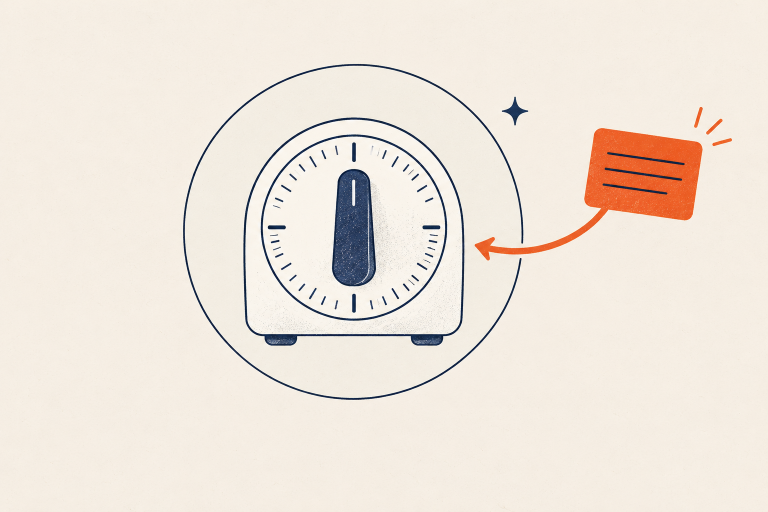 How to Use the Pomodoro Technique Without Worshipping 25 Minutes
A practical Pomodoro workflow for starting one bounded task, parking interruptions, taking a genuine break, and adjusting the interval from evidence rather than habit.
Read the field guide →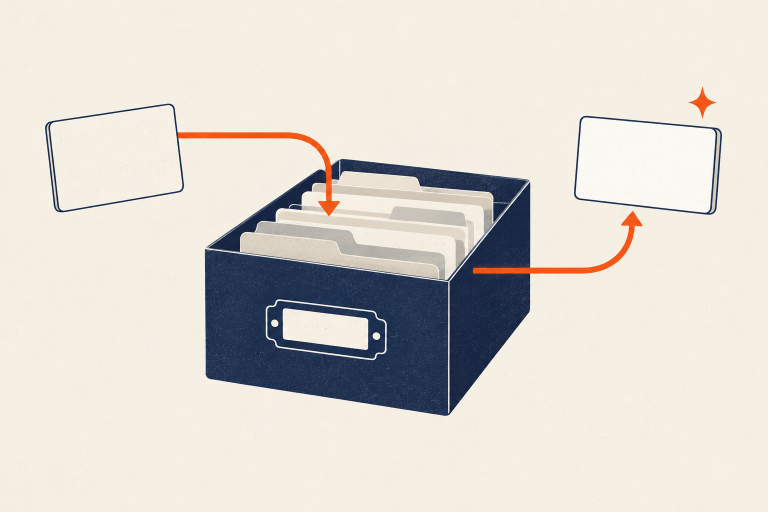 Build a Second Brain for Retrieval, Not Digital Hoarding
A minimum second-brain setup built around one active project, with accurate CODE and PARA definitions and rules for retrieval, privacy, portability, and pruning.
Read the field guide →